
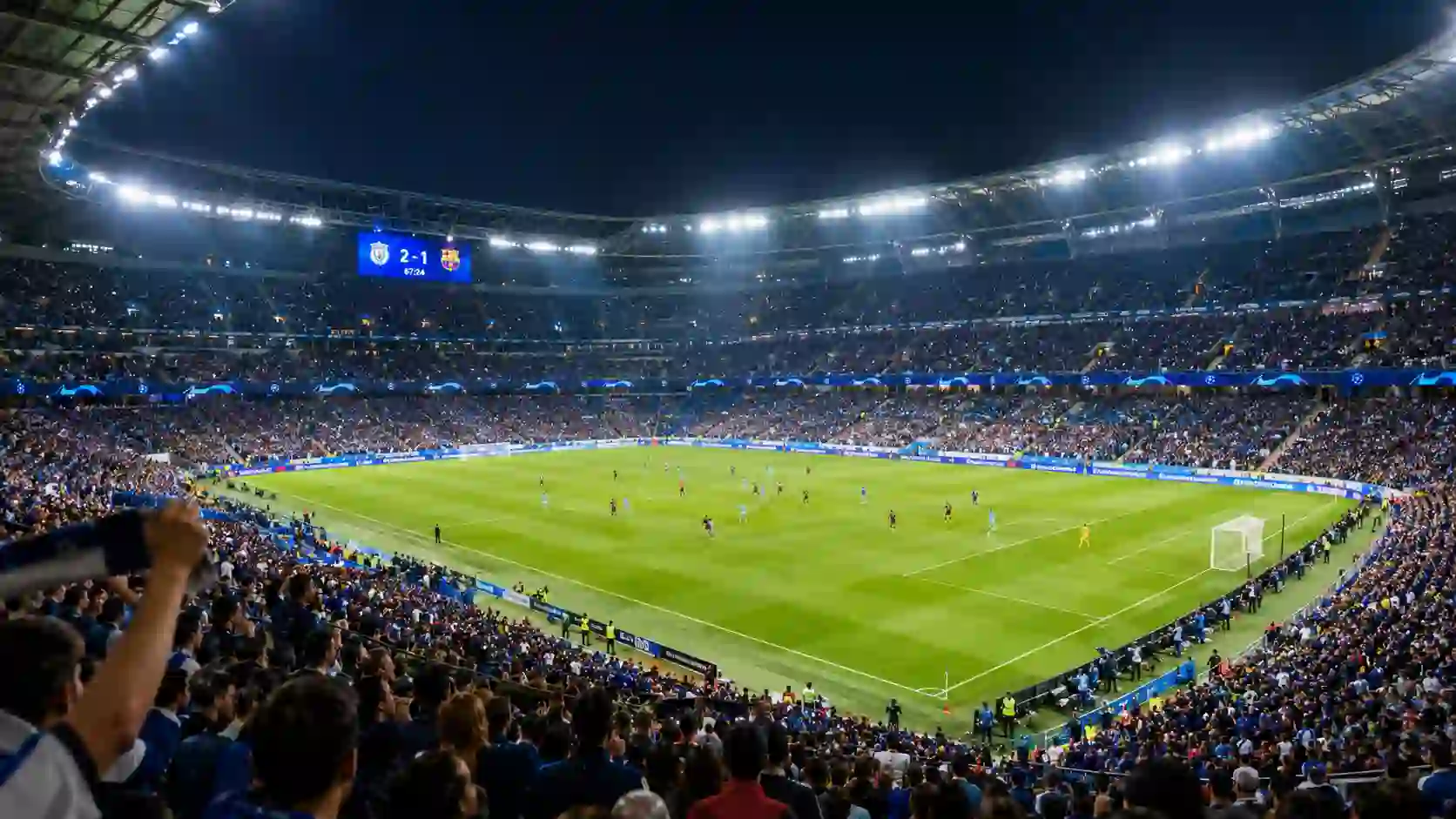
Picture a packed stadium on game night, with thousands of fans cheering as players take the field. That place is an arena: a space built for sports, contests, or big events. But “arena” can also mean something wider, like the world of politics or business. If you write blog posts, essays, or emails, using the same word again and again gets boring fast. That’s where synonyms for arena come in handy. This article gives you 30 clear, useful synonyms for arena, covering both real places and areas of activity. Students, bloggers, content writers, and everyday English learners will find simple meanings and natural examples for each word below.
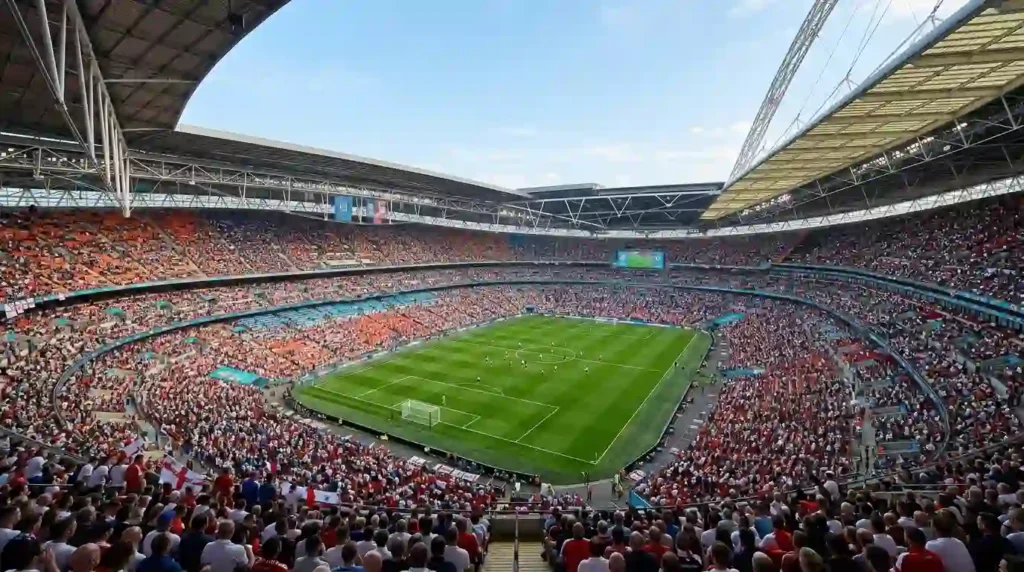
Stadium
Type: Exact synonym
Meaning:
A stadium is a large building with rows of seats where people watch sports or big events.
Examples:
- The new stadium can hold over fifty thousand fans.
- We drove past the stadium on our way to the concert.
Amphitheater
Type: Near synonym
Meaning:
An amphitheater is an open air venue with seats arranged in a circle or semicircle around a central stage.
Examples:
- The band played an outdoor show at the local amphitheater.
- Ancient Rome built huge amphitheaters for public games.
Coliseum
Type: Near synonym
Meaning:
A coliseum is a large, often grand venue used for sports or major public events.
Examples:
- The boxing match was held at the city coliseum.
- Tourists still visit the famous coliseum in Rome today.
Venue
Type: Near synonym
Meaning:
A venue is any place where an event, show, or contest takes place.
Examples:
- The wedding venue was booked six months in advance.
- Organizers picked a bigger venue for the conference.
Ring
Type: Context specific alternative
Meaning:
A ring is the roped off square used for boxing or wrestling matches.
Examples:
- The boxer stepped into the ring with confidence.
- Fans cheered as the wrestlers circled the ring.
Rink
Type: Context specific alternative
Meaning:
A rink is a flat surface, usually made of ice, used for skating or hockey.
Examples:
- The kids learned to skate at the local rink.
- Our hockey team practices at the rink every Tuesday.
Ground
Type: Context specific alternative
Meaning:
A ground is a field or open area set aside for sports, especially in British English.
Examples:
- The cricket match was played at the county ground.
- Fans lined up outside the football ground before kickoff.
Dome
Type: Context specific alternative
Meaning:
A dome is a large, covered stadium with a rounded roof.
Examples:
- The football game moved indoors to the dome during the storm.
- The dome stays warm even in winter.
Hall
Type: Context specific alternative
Meaning:
A hall is a large indoor room or building used for events, meetings, or performances.
Examples:
- The graduation ceremony took place in the main hall.
- We rented a hall for the community dance.
Pavilion
Type: Context specific alternative
Meaning:
A pavilion is a building, often open on the sides, used to watch or host events.
Examples:
- Players rested in the pavilion between innings.
- The garden pavilion hosted the summer wedding reception.
Court
Type: Context specific alternative
Meaning:
A court is a marked playing area used for games like basketball or tennis.
Examples:
- She practiced her serve on the tennis court all morning.
- The basketball court was packed for the championship game.
Bowl
Type: Context specific alternative
Meaning:
A bowl is a large, rounded stadium, often named after its shape or a sponsor.
Examples:
- The final game was played at the Rose Bowl.
- Thousands of fans filled the bowl for the concert.
Forum
Type: Context specific alternative
Meaning:
A forum is a public place built for meetings, debates, or events, especially in ancient times.
Examples:
- Speakers gathered in the town forum to debate new laws.
- The old forum once hosted plays and public speeches.
Fieldhouse
Type: Context specific alternative
Meaning:
A fieldhouse is an indoor building used for sports practice or events.
Examples:
- The team ran drills inside the fieldhouse during rain.
- Our school built a new fieldhouse for winter training.
Gymnasium
Type: Context specific alternative
Meaning:
A gymnasium is an indoor space built for exercise, sports, or games.
Examples:
- The pep rally was held in the school gymnasium.
- He shoots hoops at the gymnasium after class.
Sphere
Type: Near synonym
Meaning:
A sphere is an area of activity, interest, or influence.
Examples:
- She built a strong reputation in the business sphere.
- His ideas changed the sphere of modern art.
Domain
Type: Near synonym
Meaning:
A domain is a specific area of knowledge, work, or control.
Examples:
- Coding used to be a domain for experts only.
- Marketing became her main domain at the company.
Realm
Type: Near synonym
Meaning:
A realm is a broad area of activity, thought, or experience.
Examples:
- The discovery opened a new realm of possibility.
- He felt out of his realm during the science debate.
Theater
Type: Context specific alternative
Meaning:
A theater, in this sense, is a setting where important events or conflicts happen.
Examples:
- The region became a theater of political conflict.
- Reporters covered the story from the theater of war.
Battleground
Type: Near synonym
Meaning:
A battleground is a situation or place where opposing sides compete strongly.

Examples:
- The courtroom turned into a battleground of ideas.
- Social media has become a battleground for public opinion.
Playing field
Type: Context specific alternative
Meaning:
A playing field is the space or conditions where people compete, often used to talk about fairness.
Examples:
- New rules created a level playing field for small businesses.
- Everyone deserves an equal playing field in this contest.
Scene
Type: Near synonym
Meaning:
A scene is a particular area of activity, often social or public.
Examples:
- She became a well known name on the local music scene.
- The political scene shifted after the election.
Platform
Type: Context specific alternative
Meaning:
A platform is a public setting where people share ideas or compete for attention.
Examples:
- The debate gave both candidates a national platform.
- Podcasts became a platform for new voices in journalism.
Setting
Type: Near synonym
Meaning:
A setting is the general situation or environment where something happens.
Examples:
- The negotiation took place in a tense setting.
- Schools provide a setting for young minds to grow.
Battlefield
Type: Near synonym
Meaning:
A battlefield is a situation involving intense competition or conflict.
Examples:
- The meeting turned into a battlefield of opinions.
- Pricing has become a battlefield among rival airlines.
Marketplace
Type: Context specific alternative
Meaning:
A marketplace is a competitive area where ideas, products, or people compete for attention.
Examples:
- New apps compete daily in the crowded marketplace.
- Her novel found space in a busy marketplace of ideas.
Space
Type: Context specific alternative
Meaning:
A space, in this sense, is an area of activity or industry.
Examples:
- The startup entered a fast growing tech space.
- Competition in the fitness space keeps increasing every year.
Landscape
Type: Near synonym
Meaning:
A landscape is the overall state or shape of a particular field of activity.
Examples:
- The job landscape changed quickly after the pandemic.
- New laws reshaped the political landscape.
Circuit
Type: Context specific alternative
Meaning:
A circuit is a series of related events or competitions in a certain field.
Examples:
- She traveled the tennis circuit for most of the year.
- He built his name on the comedy circuit.
World
Type: Context specific alternative
Meaning:
A world is a specific area of activity or group of people connected to it.
Examples:
- Success came slowly in the world of publishing.
- He is a familiar face in the world of finance.
Conclusion
Learning synonyms for arena makes your writing stronger and more interesting. Instead of repeating one word, you can pick the term that fits the moment, whether you mean a real stadium or a competitive field like politics or business. These words are useful in emails, essays, blog posts, school assignments, and daily conversations. Try using a few of them the next time you write or speak. Small changes like this build better vocabulary and clearer communication over time. Keep practicing, and these words will soon feel like a natural part of your everyday English.

About Matiullah Mughal
Matiullah Mughal is the founder of EliteBloggerHub.com , a digital platform focused on building authority, creating valuable online content, and helping websites establish a stronger presence in search engines. He is also connected with Hexarank SEO Agency, where his work is centered around SEO, content strategy, website growth, and digital marketing.
With a strong interest in search engine optimization and online publishing, Matiullah Mughal focuses on developing websites and digital properties that combine useful content with effective SEO strategies. His approach emphasizes quality, consistency, topical authority, and sustainable organic growth.
Through EliteBloggerHub.com and his connection with Hexarank SEO Agency, Matiullah Mughal aims to contribute practical insights and strategies that help website owners, bloggers, and businesses improve their online visibility and build long-term authority.
Matiullah Mughal — Founder of EliteBloggerHub.com | Connected with Hexarank SEO Agency