

Ever bought something that broke the same week you got it? You probably called it a lemon. That’s the funny thing about this word: it’s not just a fruit anymore. In everyday English, “lemon” also means a car, gadget, or deal that turns out to be worthless.
Finding the right word matters. Writers, students, and anyone learning English need more than one way to describe a sour citrus fruit, a pale yellow shade, or a bad purchase. This article breaks down real, accurate synonyms and near synonyms for lemon across all three meanings. You’ll get 30 words, each with a simple meaning and two example sentences, so you can use them naturally right away.
Citrus fruit
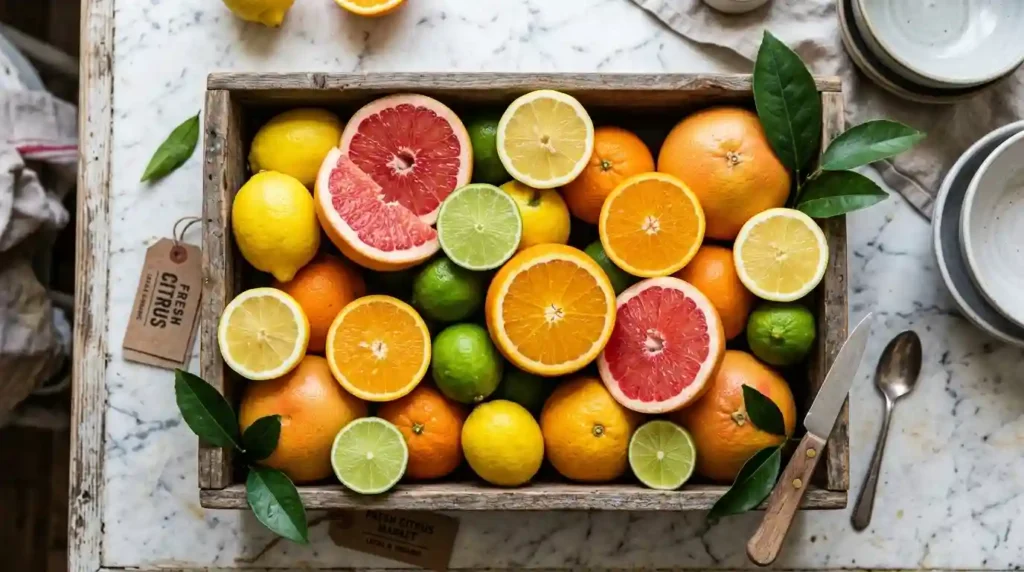
Meaning: A general term for fruits in the same family as lemon, like oranges, limes, and grapefruit.
Examples:
- She squeezed citrus fruit into her water every morning.
- The market had a whole stand full of citrus fruit from Florida.
Type: Near synonym (category term, not the fruit itself)
Citron
Meaning: A large, thick skinned citrus fruit related to the lemon, often used in candied form.
Examples:
- The recipe called for candied citron instead of lemon peel.
- Citron trees grow well in warm, dry climates.
Type: Near synonym (a related but different fruit)
Meyer lemon
Meaning: A sweeter, less acidic variety of lemon, often used in baking.
Examples:
- Meyer lemon works well in cakes because it’s less tart.
- She planted a Meyer lemon tree on her balcony.
Type: Context specific alternative (a variety of lemon)
Lime
Meaning: A small, green citrus fruit that’s closely related to the lemon.
Examples:
- He swapped the lemon in the recipe for lime.
- Lime adds a sharper, slightly sweeter taste than lemon.
Type: Near synonym (a different but similar citrus fruit)
Bergamot
Meaning: A citrus fruit related to the lemon, known for its use in perfumes and Earl Grey tea.
Examples:
- Bergamot gives Earl Grey tea its distinct smell.
- The perfume had a light bergamot scent.
Type: Near synonym (a fragrant citrus relative)
Lemon yellow
Meaning: A bright, slightly greenish shade of yellow, like the color of a lemon peel.
Examples:
- She painted the kitchen walls lemon yellow.
- The dress was a cheerful lemon yellow color.
Type: Context specific alternative (color sense)
Pale yellow
Meaning: A light, soft shade of yellow.
Examples:
- The curtains were a pale yellow that matched the walls.
- His shirt faded to a pale yellow after years of washing.
Type: Near synonym (color sense)
Dud
Meaning: Something that fails to work properly or doesn’t meet expectations.
Examples:
- The new phone turned out to be a total dud.
- We returned the blender because it was a dud.
Type: Exact synonym (informal “defective item” sense)
Clunker
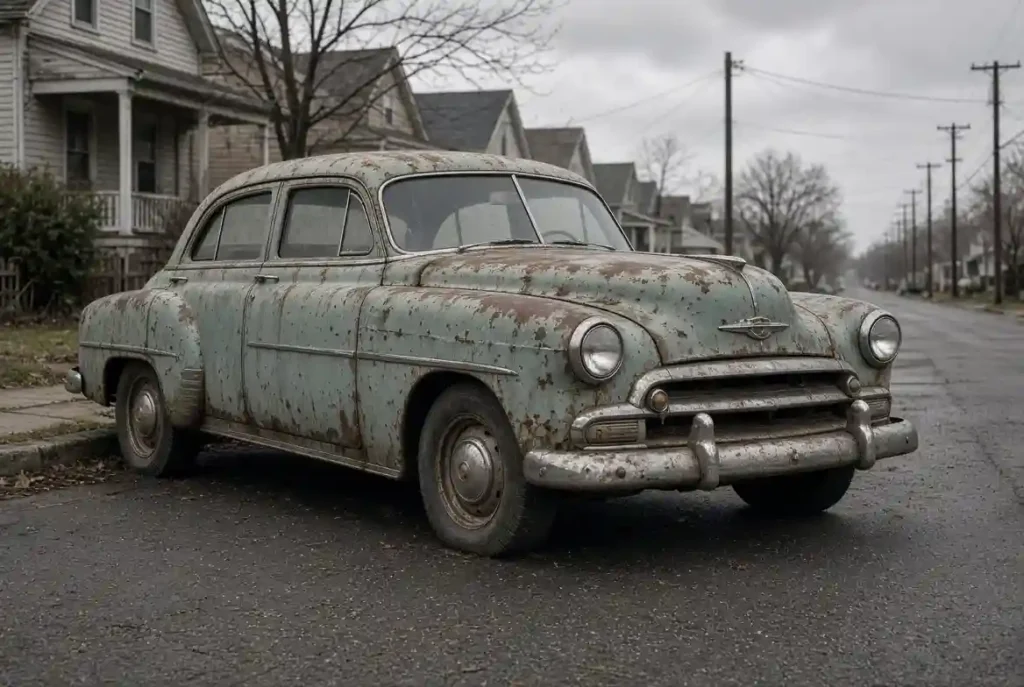
Meaning: An old or poorly working machine, especially a car.
Examples:
- His first car was a real clunker that broke down weekly.
- They finally traded in the old clunker for something reliable.
Type: Exact synonym (informal, especially for cars)
Turkey
Meaning: Something that fails badly, often used for a bad product or plan.
Examples:
- The new app launch was a turkey from day one.
- Critics called the movie a complete turkey.
Type: Near synonym (informal, American English)
Flop
Meaning: Something that fails completely, especially a product, plan, or event.
Examples:
- The restaurant’s new menu was a flop.
- Her first business idea turned out to be a flop.
Type: Exact synonym
Bomb
Meaning: Something that fails badly, often used for movies, shows, or products.
Examples:
- The film was a bomb at the box office.
- His presentation bombed in front of the whole team.
Type: Exact synonym (informal)
Bust
Meaning: A failure, especially something that doesn’t deliver on its promise.
Examples:
- The investment turned out to be a bust.
- Their vacation plans were a total bust because of the weather.
Type: Exact synonym
Fiasco
Meaning: A complete and often embarrassing failure.
Examples:
- The product launch was a fiasco from start to finish.
- The wedding turned into a fiasco when the caterer never showed up.
Type: Near synonym (a stronger, more dramatic failure)
Washout
Meaning: Something that fails to succeed or turns out badly.
Examples:
- The outdoor concert was a washout because of the rain.
- His attempt at starting a bakery was a washout.
Type: Exact synonym
Letdown
Meaning: Something disappointing that fails to meet expectations.
Examples:
- The sequel was a letdown compared to the first movie.
- Her new phone was a letdown after all the hype.
Type: Near synonym
Disappointment
Meaning: Something that fails to satisfy or meet hopes.
Examples:
- The new laptop was a huge disappointment.
- His performance at the interview was a disappointment.
Type: Near synonym
Reject
Meaning: Something that has been rejected for being faulty or below standard.
Examples:
- The factory sold the rejects at a discount.
- That car was clearly rejected from the assembly line.
Type: Near synonym
Wreck
Meaning: Something in very poor condition, often barely working.
Examples:
- The used car she bought was a total wreck.
- His old laptop is a wreck held together with tape.
Type: Near synonym
Junker
Meaning: An old, worn out vehicle that barely runs.
Examples:
- He drove a junker to save money on gas.
- The junker in the driveway hasn’t started in months.
Type: Exact synonym (informal, cars)
Rattletrap
Meaning: An old, noisy, poorly working vehicle or machine.
Examples:
- The rattletrap barely made it up the hill.
- Grandpa’s old rattletrap truck still runs, somehow.
Type: Near synonym (informal, often cars)
Jalopy
Meaning: An old, beat up car that’s usually unreliable.
Examples:
- They drove across the country in an old jalopy.
- The jalopy stalled at every red light.
Type: Near synonym (informal, cars)
Rustbucket
Meaning: A vehicle that’s old, rusted, and unreliable.
Examples:
- The rustbucket finally gave out on the highway.
- Nobody wanted to buy his truck’s rustbucket of a truck.
Type: Near synonym (informal, cars)
Heap
Meaning: An old, poorly functioning vehicle or object.
Examples:
- That old heap won’t pass inspection.
- He’s had the same heap since college.
Type: Near synonym (informal, cars)
Deadweight
Meaning: Something that adds no value and only causes trouble.
Examples:
- The broken machine was deadweight in the warehouse.
- Investors saw the failed product line as deadweight.
Type: Near synonym
Nonstarter
Meaning: Something that fails before it even gets going.
Examples:
- The business idea was a nonstarter from the beginning.
- His plan was a nonstarter once the budget fell through.
Type: Near synonym
Misfire
Meaning: An attempt or plan that fails unexpectedly.
Examples:
- The marketing campaign was a misfire that cost the company sales.
- His joke was a misfire and nobody laughed.
Type: Near synonym
Dog
Meaning: Something that performs poorly, especially a product.
Examples:
- The new model turned out to be a dog in sales.
- Critics panned the film, calling it a dog.
Type: Near synonym (informal)
Stinker
Meaning: Something that turns out badly or performs poorly.
Examples:
- The team’s new strategy was a real stinker.
- That last movie he made was a stinker.
Type: Near synonym (informal)
White elephant
Meaning: Something expensive to own or maintain but with little value or use.
Examples:
- The old mansion became a white elephant nobody wanted to buy.
- The unused stadium turned into a white elephant for the city.
Type: Near synonym (idiom, focuses on cost over usefulness)
Conclusion
Learning synonyms for lemon gives you more than one way to describe a sour fruit, a soft yellow color, or a total dud of a purchase. Knowing these words sharpens your writing, makes your speaking more natural, and helps you avoid repeating the same term over and over. Try using a few of these words in your next email, blog post, or school assignment. The more you practice, the more naturally they’ll come to you in daily conversation.

About Matiullah Mughal
Matiullah Mughal is the founder of EliteBloggerHub.com , a digital platform focused on building authority, creating valuable online content, and helping websites establish a stronger presence in search engines. He is also connected with Hexarank SEO Agency, where his work is centered around SEO, content strategy, website growth, and digital marketing.
With a strong interest in search engine optimization and online publishing, Matiullah Mughal focuses on developing websites and digital properties that combine useful content with effective SEO strategies. His approach emphasizes quality, consistency, topical authority, and sustainable organic growth.
Through EliteBloggerHub.com and his connection with Hexarank SEO Agency, Matiullah Mughal aims to contribute practical insights and strategies that help website owners, bloggers, and businesses improve their online visibility and build long-term authority.
Matiullah Mughal — Founder of EliteBloggerHub.com | Connected with Hexarank SEO Agency