

Your friend asks what you thought of the new movie, and “mid” just slips out. It wasn’t bad, it wasn’t great, it was just… mid. This slang word has taken over group chats and comment sections because it captures something specific: things that are average, forgettable, or just okay. But saying “mid” about everything gets old fast. That’s where synonyms for mid come in handy. Whether you’re texting friends, writing a review, or trying to sound less repetitive in your writing, knowing different synonyms for mid gives your language more range. This guide breaks down 30 solid alternatives, each with a simple meaning and two real examples, so you’ll never run out of ways to describe something that’s just… mid.
Mediocre
Meaning: Something that is not very good, but not terrible either.
Examples:
- The coffee at that new café was mediocre, so I probably won’t go back.
- His presentation was mediocre; it had the right slides but no energy.
Average
Meaning: Something that is typical or normal, with nothing standing out.
Examples:
- The hotel room was average, clean but nothing memorable.
- Her test score was average compared to the rest of the class.
So so
Meaning: Neither good nor bad, right in the middle.
Examples:
- I asked how the concert was, and she just said it was so so.
- The pizza place downtown is so so, not worth a special trip.
Underwhelming
Meaning: Something that fails to impress you, even though you expected more.
Examples:
- The season finale was underwhelming after all that buildup.
- His apology felt underwhelming given how much he had messed up.
Unremarkable
Meaning: Not interesting or noticeable in any way.
Examples:
- The neighborhood was unremarkable, just rows of identical houses.
- Her first job was unremarkable, mostly filing paperwork all day.
Ordinary
Meaning: Common or usual, without anything special about it.
Examples:
- It was just an ordinary Tuesday until the fire alarm went off.
- The restaurant served ordinary pasta, nothing you couldn’t make at home.
Middling
Meaning: Of medium quality, neither the best nor the worst option.
Examples:
- The reviews for the new phone were middling at best.
- His grades this semester were middling, mostly Bs and Cs.
Type: Near synonym
Passable
Meaning: Good enough to be acceptable, but not impressive.
Examples:
- My cooking skills are passable, at least nobody complains.
- The translation was passable, though a few sentences sounded awkward.
Forgettable
Meaning: Something so unremarkable that people won’t remember it later.
Examples:
- The movie was forgettable; I couldn’t even remember the ending a week later.
- We had a forgettable meal at the airport before our flight.
Meh
Meaning: A casual way to say something is unimpressive or you don’t have strong feelings about it.
Examples:
- The new album is meh, a few good tracks but mostly filler.
- When I asked if she liked the gift, she just said “meh.”
Run of the mill
Meaning: Ordinary and typical, without anything special to set it apart.
Examples:
- It was a run of the mill office job with nothing exciting about it.
- The plot was run of the mill, the kind you’ve seen in a dozen other films.
Lackluster

Meaning: Lacking energy, excitement, or brightness.
Examples:
- The team gave a lackluster performance in the second half.
- Sales were lackluster during the holiday season this year.
Bland
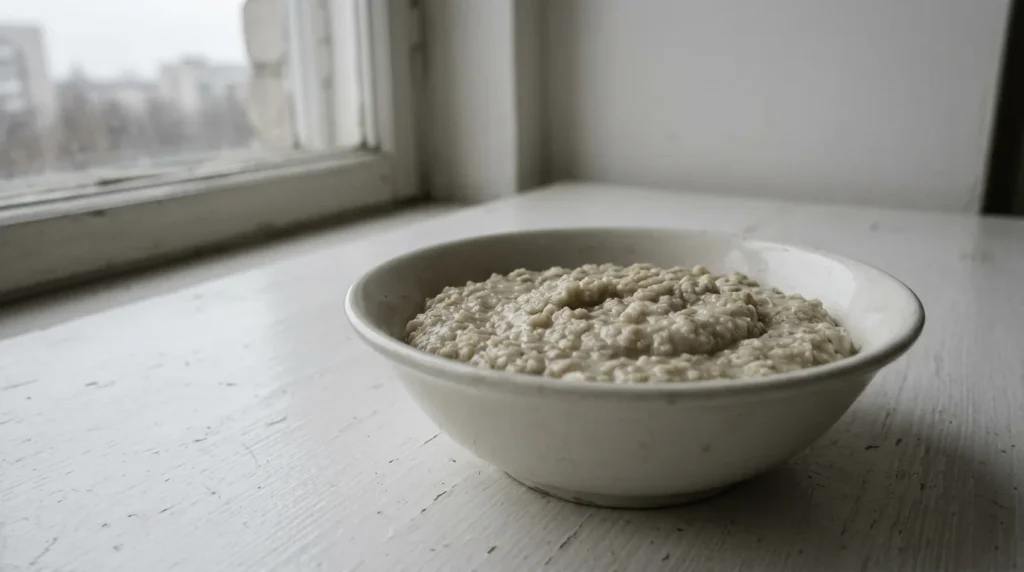
Meaning: Dull or lacking any strong flavor, character, or excitement.
Examples:
- The soup was bland, so I added some salt and pepper.
- His speech was bland and didn’t leave much of an impression.
Nothing special
Meaning: A simple phrase meaning average, with no standout qualities.
Examples:
- The gift she gave me was nothing special, just a basic mug.
- Honestly, the tour was nothing special compared to what I expected.
Type: Context specific alternative
Fair
Meaning: Acceptable in quality, but not particularly good.
Examples:
- The weather was fair for a hike, not too hot or cold.
- His grasp of French was fair, enough to order food but not chat.
Basic
Meaning: Simple and plain, without extra features or excitement.
Examples:
- The apartment came with basic furniture, just a bed and a table.
- Her outfit was basic, a plain shirt and jeans.
Type: Near synonym
Uninspired
Meaning: Lacking creativity or original ideas.
Examples:
- The marketing campaign felt uninspired, like it was copied from somewhere else.
- His essay was uninspired and read like a list of facts.
Vanilla
Meaning: Very plain or standard, with nothing unique about it.
Examples:
- The software has a vanilla interface, nothing fancy at all.
- Their vacation was pretty vanilla, just a week at a regular beach resort.
Type: Near synonym
Second rate
Meaning: Of lower quality compared to the best options available.
Examples:
- The hotel felt second rate compared to the one we stayed at last year.
- He was known for producing second rate copies of famous paintings.
Standard
Meaning: Typical or usual, meeting the normal expectation and nothing more.
Examples:
- The car came with standard features, no upgrades included.
- It was a standard interview with the usual questions.
Type: Near synonym
Okay
Meaning: Acceptable but not exciting or impressive.
Examples:
- The new sequel was okay, though not as good as the original.
- My flight was okay, a little delayed but otherwise fine.
Adequate
Meaning: Enough to meet a basic need or standard, without going beyond it.
Examples:
- The training program was adequate for beginners but too simple for experts.
- Her Spanish is adequate for traveling, though not fluent.
Flat
Meaning: Lacking excitement, energy, or interest.
Examples:
- The comedy show felt flat; barely anyone in the audience laughed.
- His delivery was flat, like he was reading straight off a script.
Type: Context specific alternative
Tepid
Meaning: Showing little enthusiasm or excitement, similar to lukewarm.
Examples:
- The crowd gave a tepid response to the announcement.
- Critics gave the new show a tepid reception.
Unexceptional
Meaning: Not unusual or outstanding in any way.
Examples:
- The restaurant’s service was unexceptional, nothing to complain about but nothing to praise either.
- His resume looked unexceptional next to the other candidates.
Middle of the road
Meaning: Not extreme in any direction, staying safely average.
Examples:
- The band’s new sound is more middle of the road than their earlier, edgier work.
- His political views are pretty middle of the road.
Type: Near synonym
Plain
Meaning: Simple, without decoration or anything extra.
Examples:
- She ordered a plain bagel with nothing on it.
- The design was plain, just white walls and no artwork.
Type: Near synonym
Unimpressive
Meaning: Not able to create a strong or positive impression.
Examples:
- His unimpressive stats made it hard to justify the trade.
- The building’s exterior was unimpressive compared to the photos online.
Not great, not terrible
Meaning: A common phrase used to describe something firmly in the middle.
Examples:
- I’d rate the new update not great, not terrible.
- The customer service was not great, not terrible, just average.
Type: Context specific alternative
Dime a dozen
Meaning: So common that it isn’t seen as special or valuable.
Examples:
- Coffee shops like that one are dime a dozen in this city.
- His excuses were a dime a dozen by the time he got caught lying again.
Type: Near synonym
Conclusion
Learning synonyms for mid does more than expand your vocabulary. It makes your writing and speaking sharper, whether you’re leaving a review, chatting with friends, or drafting a blog post. Instead of reaching for “mid” every time something feels average, you now have thirty ways to say it with more precision and personality. Try weaving a few of these words into your next email, essay, or social post. The more you practice, the more natural they’ll feel in everyday conversation.

About Matiullah Mughal
Matiullah Mughal is the founder of EliteBloggerHub.com , a digital platform focused on building authority, creating valuable online content, and helping websites establish a stronger presence in search engines. He is also connected with Hexarank SEO Agency, where his work is centered around SEO, content strategy, website growth, and digital marketing.
With a strong interest in search engine optimization and online publishing, Matiullah Mughal focuses on developing websites and digital properties that combine useful content with effective SEO strategies. His approach emphasizes quality, consistency, topical authority, and sustainable organic growth.
Through EliteBloggerHub.com and his connection with Hexarank SEO Agency, Matiullah Mughal aims to contribute practical insights and strategies that help website owners, bloggers, and businesses improve their online visibility and build long-term authority.
Matiullah Mughal — Founder of EliteBloggerHub.com | Connected with Hexarank SEO Agency